



Printer Friendly VersionEmail A FriendAdd ThisIncrease Text SizeDecrease Text Size
July 2008 Issue

Appalachian Ohio

You can’t understand America until you understand Appalachia. It’s a sentiment echoed by authors, historians and the proud people who have celebrated their mountain roots for generations. Twenty-nine Appalachian counties curve along the eastern and southern borders of our state — regions distinguished by historical, cultural and industrial traditions, as well as the strong work ethic, ties to the land and deep family roots of those who call this part of Ohio home.

Here, we explore some of the culinary, musical, nature-based, craftsmanship and storytelling traditions you’ll uncover when you discover Ohio’s Appalachian Country. For details and the tools you’ll need to plan your adventure, visit www.appalachianohio.com.

Homegrown and Homemade

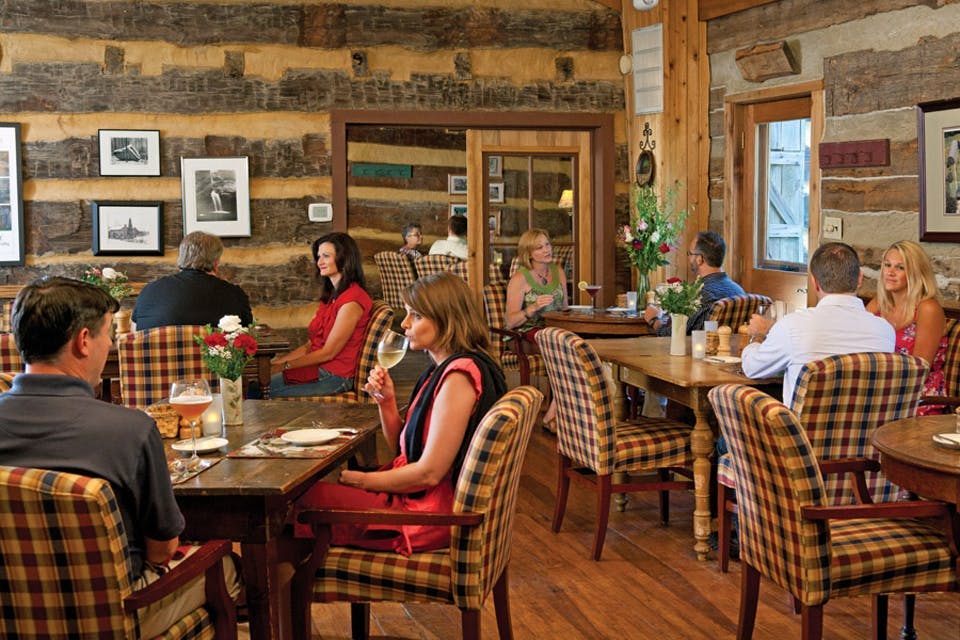
The idea that what’s on the dinner table originated 100 yards from the kitchen might seem old-fashioned, but a slice of strawberry pie from a country diner in June is a toothsome lesson in how what we consider comfort foods grew out of and remain part of Appalachian tradition.

There are many ways to experience the culinary heritage of Ohio’s Appalachia. In Tuscarawas County, you’ll find a diversity of cultures, from the hard-working Amish who immigrated here in 1720 from Switzerland, Germany and Alsace-Lorraine and found a practical use (Swiss cheese) for the milk from their cows, to the Zoarites who had a successful communal lifestyle for more than 90 years. Sugarcreek, long known as the “Little Switzerland of Ohio,” is the heart of the county’s Swiss cheese production, and Steiner Cheese in Baltic is the country’s oldest cheese factory. Some of Ohio’s most charming wineries are located on the Canal Country Wine Trail on scenic Old Route 39 near Dover. Silver Moon, Breitenbach and Swiss Heritage wineries each has something unique to offer, and nearby Raven’s Glenn Winery in West Lafayette has a full-service traditional Italian restaurant on site.

Down along the western bend of the Ohio River, generations of Brown County’s farmers grew tobacco as their number-one cash crop. As demand dwindled, resourceful growers in the area have found that the fertile soils are also suited for raising wine grapes. Take to the back roads near Ripley and you’ll find Kinkead Ridge and Meranda-Nixon wineries, both producing estate-grown and -bottled Ohio wines of impeccable quality.

Another fruit that fares well in Appalachian soil is the apple. Richards Brothers Fruit Farm in Jackson County has been growing crisp and tasty varieties such as stamen winesap, McIntosh and red delicious for generations. Visit the barn on site, and enjoy a view of the orchards as you sort through the bins and bins of apples, as well as jugs of homemade cider, dried apples, jellies and jams and even popcorn. The county also hosts one of the state’s best apple festivals (Sept. 16–20), with apple-peeling events, apple-butter-making demonstrations and plenty of apple products.

In most cities, corporate America has a stranglehold on convenience stores. But Noble County isn’t like most places. Here, you’ll still find authentic country stores, some of which have been in the same building for more than 50 years. It’s a charming glimpse of a business model that’s likely not long for this world, not to mention a potentially delicious excursion — during the summer, people from all over travel to Cleary’s Center Grocery in Sarahsville for a scoop of its famous ice cream.

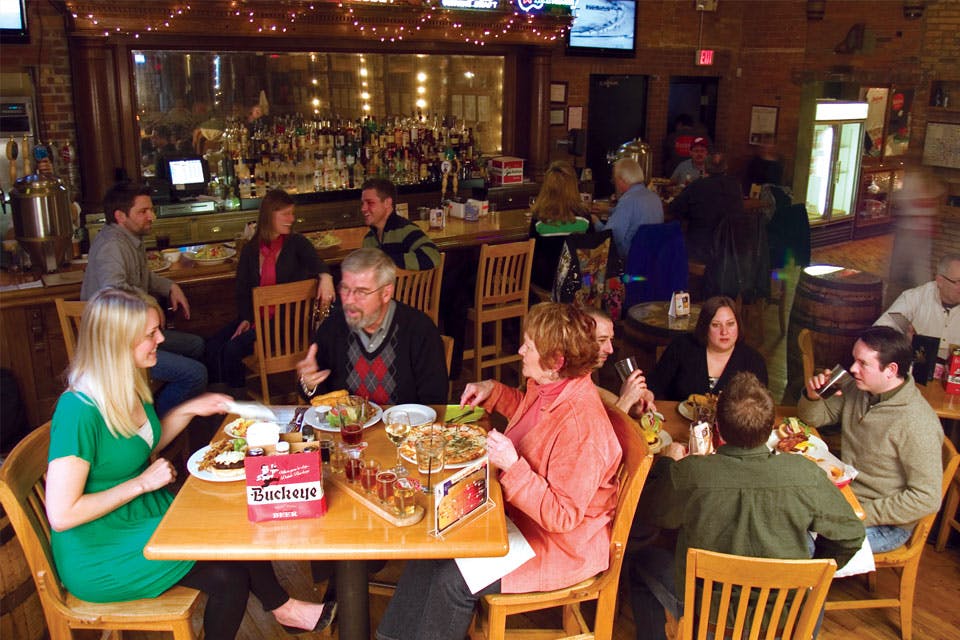
Washington County sits at the confluence of the Ohio and Muskingum rivers, making it a portal for the culinary influences that passed through with the steamboats years ago. Fast forward to today, and dining in downtown Marietta still reflects the town’s combination of comfort-food roots with the slightly more exotic flavors that immigrated here from around the world. Go south of the border at Tampico’s Mexican Restaurant or try a traditional prime rib feast at the Gun Room; take in gorgeous river views at the Levee House Cafe (the city’s oldest riverfront building) or grab a locally crafted brew at the Marietta Brewing Company. Whatever you choose, the local grub deserves a prominent place in your itinerary.

In Athens County, the concept of eating local is supported by a strong grassroots network. ACEnet, for example, is an organization devoted to building business communities in Appalachia to create a dynamic, sustainable regional economy, and its Web site, www.acenetworks.org, features a directory of area restaurants and shops that carry locally produced goods. For the best in locally owned dining, visit the Athens Independent Restaurant Association’s Web site, www.athensohiorestaurants.com to learn more about these independents. In many area restaurants and shops, you’ll find the specialty of locally owned grower Integration Acres — the North American native pawpaw fruit. Never had one? Then join in the 10th annual Pawpaw Festival (Sept. 13–14) at Lake Snowden in Albany and learn more about this unusual tree fruit.

Tuneful Traditions

Roots music, which was given mainstream attention by the success of the 2000 movie “Oh Brother Where Art Thou,” is Appalachian music. Among the best places to learn more about Ohio’s roots-music traditions are music festivals held throughout the state’s Appalachian counties.

Every Memorial Day weekend, Columbiana County’s Dulci-More Festival attracts lovers of Appalachian folk music to the Boy Scouts of America’s Camp McKinley on Old Furnace Road near Lisbon. The three-day event — founded nearly 15 years ago by Dulci-More, a local group of musicians dedicated to playing folk-style music and sharing it with others — features some of the most respected folk artists in the country.

In Harrison County, the Bluegrass in the Hills festival is held three times during the summer months (the remaining dates are July 10–12 and Aug. 7–9). The events, described as “Old Time Pickin’ and Grinnin’ Bluegrass,” are held at Mickey’s Mountain in Hopedale and have campground accommodations, inspiring some music fans to pick and grin all weekend long. Most festivals are held rain or shine. But when the snow flies, there are indoor venues for Appalachian music, too. In Scioto County, Whitey’s Music Barn in Wheelersburg showcases live music — from gospel to country, to country-rock to old time rock ’n roll — five nights a week. The music starts at 7 p.m. each night, admission is a modest $6, and it’s safe to bring the family, since a strict no-alcohol, no-smoking and no-foul-language policy is enforced.

On the third Saturday of each month, a little bit of Nashville comes to Morgan County. The Ohio Valley Opry (owned and operated by Deana and Marvin Clark, plus their four daughters Jada, Tai, Leah and Elly) is a “Grand Ole Opry”-style show, featuring the Clarks and other tremendous local and national talents. The three-hour event combines a traditional country, gospel and bluegrass show with audience interaction, and is held in the historic (107-year-old) Twin City Opera House in McConnellsville. It’s usually standing room only, so get tickets in advance.

In Ohio’s Appalachian counties, you’ll find musicians and plenty of people such as Gary Sager, who help make the music possible. Sager and his wife Toni own Prussia Valley Dulcimers Acoustic Music Shop in Pike County, where he custom builds mountain dulcimers, a hobby he began back in 1992. Naturally, Sager has also been known to play a dulcimer or two, and his wife has been playing the autoharp for about seven years. To learn more about what they’re about, join them for weekly jam sessions on Saturday mornings at their shop in Waverly.

Nature’s Beauty

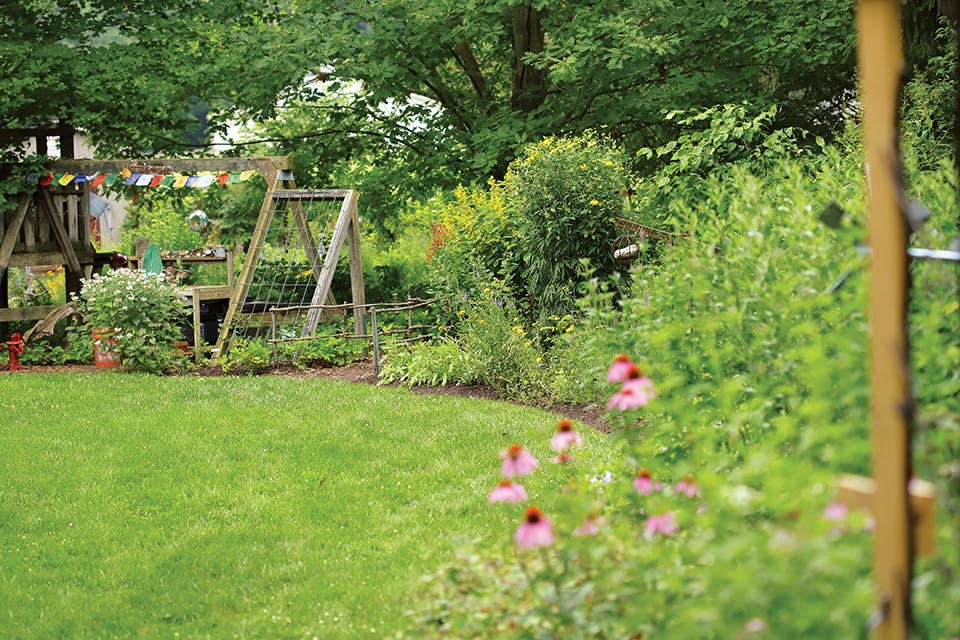
The natural areas of Ohio’s Appalachian counties are one of their greatest assets. Here, abundant wildlife and plant life serve as a natural source of food, medicine and recreation for surrounding communities, demonstrating the cultural ties to the land.

Lewis Mountain Herbs & Everlastings, a family-owned herb farm in Adams County, is an ideal place to learn about the healing properties of herbs. During the Lewis Mountain Olde Thyme Herb Fair (Oct. 11–12) in Manchester, visitors can interact with herbal specialists selling lotions, soaps and other nature-based products, as well as gather gardening and greenhouse tips for growing your own.

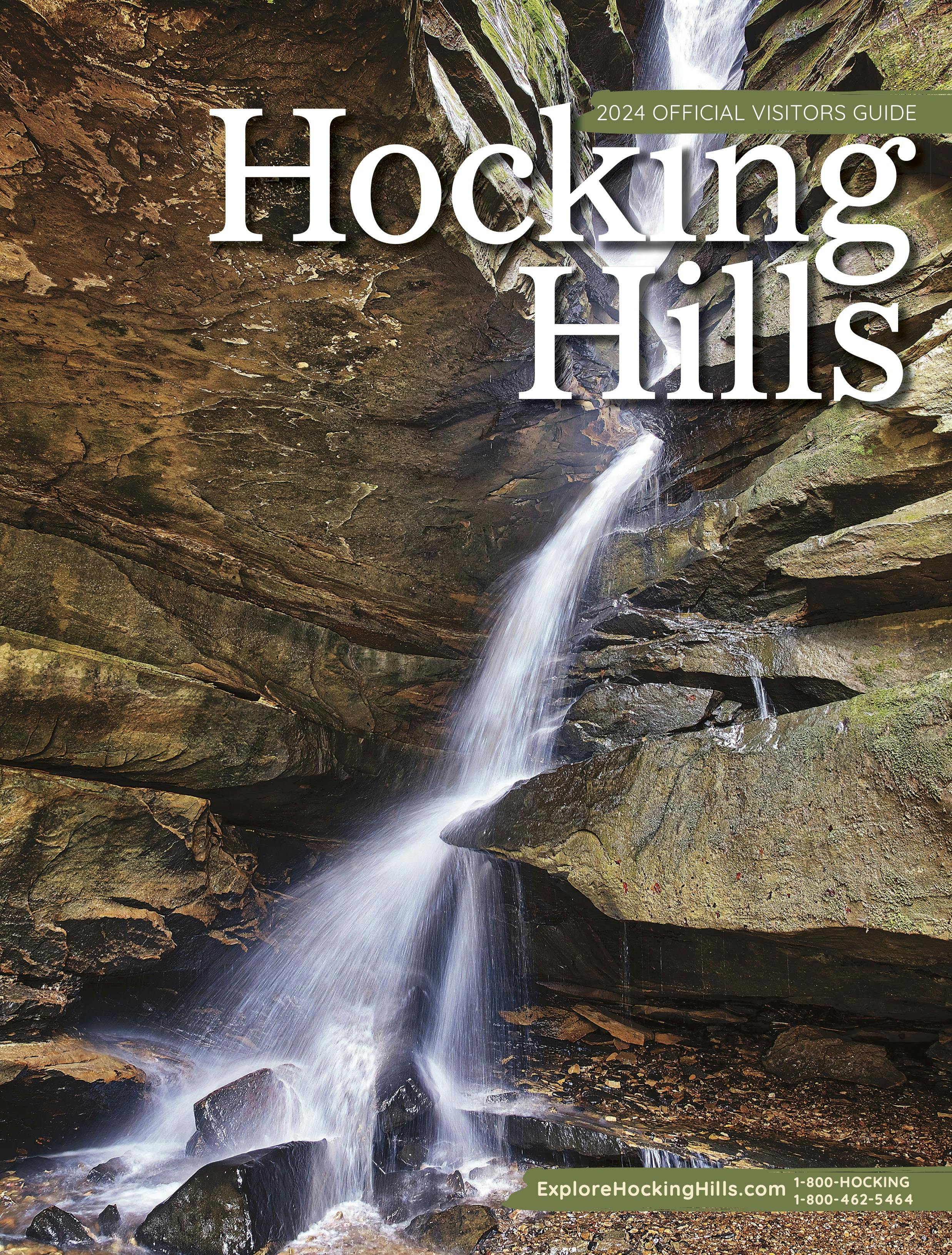
Of course, the woods are a spot for recreation, too. With more than 9,000 acres of woodlands in the Hocking State Forest, the Hocking Hills area in Hocking County is home to a world of natural adventures. But the thrill of the new Zipline Canopy Tour may be the most exciting yet. Fun and exhilarating, the three-hour adventure offers thrill seekers of all ages the opportunity to soar through the treetops on a network of 10 ziplines and four adventure skybridges, suspended high above the forest floor and overlooking a cave, Black Hand sandstone cliffs, the Hocking River and other flora.

More outdoor adventure can be found down the road in Ross County, where tree-lined cliffs, winding bike trails and scenic waterways are just a few of the reasons hikers, bikers and nature lovers enjoy the area’s abundant green spaces. Four state parks offer a peek at nature’s diversity, and explorers who wish to traverse the rolling hills and streams can visit Scioto Trail State Park, Tar Hollow State Park, Paint Creek State Park and Great Seal State Park. The Buzzards Roost Nature Preserve contains more than 300 acres of rugged countryside and cliffs and ravines that deliver a 600-foot change in elevation.

Visitors to Lake Hope State Park in Vinton County have an opportunity to take wildlife watching to the next level. The park’s handheld hummingbird feeding program is an awe-inspiring chance to get a bird’s eye view of these tiny creatures. Visitors attend a free program (donations are accepted) at the nature center, where the park naturalist gives a short talk about hummingbirds and demonstrates how to make a small feeder using a tiny green vial and a red pipe cleaner (the vibrant color attracts the birds). Then, it’s just a matter of patience and luck.

While some natural areas inspire us to touch the earth, others teach us a lesson in how to put it back together. In Morgan County, the AEP ReCreation Land is a former strip-mining site that is now the largest privately owned but publicly accessible recreation land mass in the state. The county also houses parts of Burr Oak State Park and the Muskingum River Parkway (an official, state-designated water trail) where hunting, fishing, wildlife watching, hiking, canoeing and kayaking are natural pastimes.

In Lawrence County, the Vesuvius Lake and Recreation Area, named for the old Vesuvius Iron Furnace, is another example of the community’s commitment to heal and restore. The furnace was one of 46 charcoal iron furnaces located in the six-county Hanging Rock Iron Region of southern Ohio, which produced iron from 1818 to 1916 (by 1875, southeastern Ohio led the nation in iron production). The industry eventually ceased, and after being abandoned for years, this natural area in Wayne National Forest was restored. Today, visitors to the site can enjoy swimming, hiking and camping facilities, and see the old Vesuvius Furnace, which is listed on the National Register of Historic Places in Ohio.

Tell Me a Story

Storytelling is a natural form of communication in Appalachian culture. But while this oral tradition has been a way to entertain as well as keep history alive, as you travel through the small towns of Ohio’s Appalachia, you’ll find that they have a way of sharing their most important stories without saying a word.

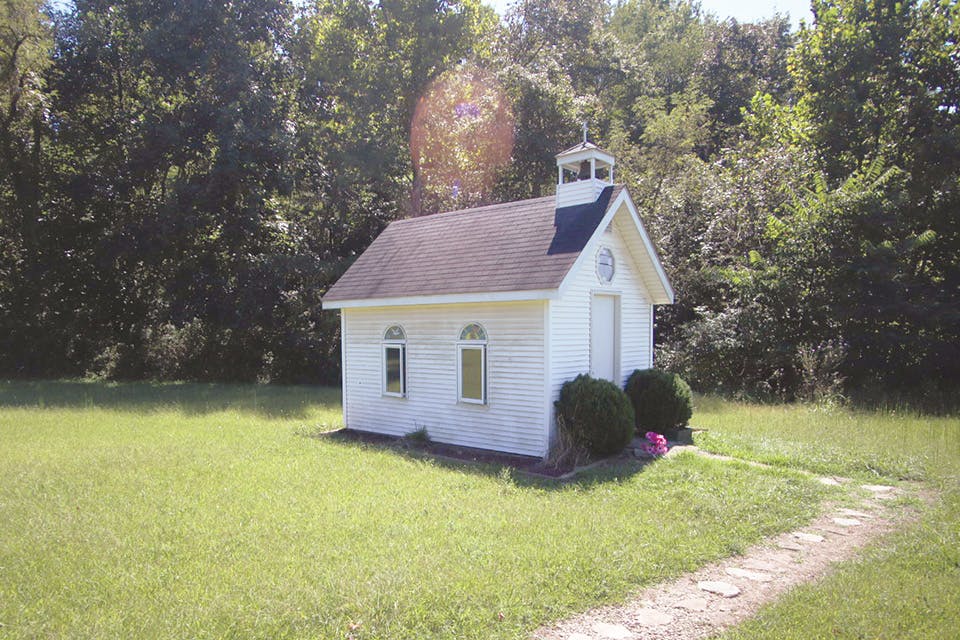
In Jefferson County, for example, the City of Murals project tells parts of Steubenville’s rich past in a larger-than-life style. From chronicling the influence of coal to celebrating its most beloved resident, Dean Martin, the murals give visitors a sense of the past, present and future of the area. Another vibrant example of this artful form of storytelling can be found in Meigs County, where the four-paneled Meigs-Mason Heritage Mural in downtown Pomeroy chronicles the scenic beauty, industries, agriculture, and architectural treasures of the Ohio River Bend Region. In Belmont County, the Great Western Schoolhouse is a living social- studies lesson and a tale of community resourcefulness. Built in 1870 with red bricks made of clay from the banks of a nearby pond, the structure sits just west of St. Clairsville along the Historic National Road (U.S. Rte. 40). Simon Lentz, who owned the tavern to the west of the school, donated the plot of ground to the state for the purpose of building a “modern” school, somewhat fittingly along the route that opened the West for settlement. Congress declared the school a National Historic Monument in 1976, and today the building functions not only as a museum, but also as a working school again, since local grade school students get to experience a day at the “Little Red Schoolhouse” as part of their modern education.

The Ohio River has been a source of lore for many of Ohio’s Appalachian counties. Discover how the river was and continues to be a way of life for one community at the Chilo Lock #34 Park Visitor Center and Museum in Clermont County. Each exhibit in the visitor center portrays the trials, tribulations and triumphs of living along the river’s edge. Visitors can watch towboats and barges and take in the panoramic view of the water from the observation deck.

Experiencing history in Ohio’s port towns lends insight into the communities that grew up around Ohio’s waterways, and Historic Roscoe Village in Coshocton County is living history at its best. The village is set in a restored canal town, and tells the story of life on the Ohio and Erie Canal in the 1800s. Historic buildings and artisans such as weavers, potters and broom makers bring the story of the area to life.

John Gee might not be a household name, but in Gallia County, he’s remembered as a successful landowner and builder — a remarkable feat for a young African-American man in the early 1800s. The John Gee Black Historical Center honors Gee and seeks to promote the African-American heritage of Gallipolis and its surrounding southeastern Ohio communities. In 1818, Gee helped found the community’s first African Methodist Episcopal Church, which eventually became an important part of the Underground Railroad, with church members actively assisting runaway slaves before the Civil War.

Fine Craftmanship

Part of the Appalachian experience is always knowing where to find the skills you need without ever opening the phone book. In each of Ohio’s Appalachian regions, you’ll discover networks of artisans and craftsmen — whose skills were often born of economic necessity — who have kept alive the tradition of creating something by hand.

Guernsey County was once a center of glassmaking, and there are still plenty of places to experience this heritage. At Boyd’s Crystal Art Glass, visitors can take factory tours and watch glass being made, while the Degenhart Paperweight & Glass Museum features a research library, exhibits on glass making and its history in Cambridge and the Ohio Valley. Mosser Glass Inc. lets visitors watch artisans at work gathering and pressing the glass into beautiful pieces (the facility is closed during the first two weeks of July). At the National Museum of Cambridge Glass, you’ll find a 6,000-piece display of Cambridge Glass, which was manufactured from 1903 to 1958. (Travel tip: Ask about the Glass Pass, which gives holders a special discounted admission to 11 glass attractions in Ohio, Pennsylvania and West Virginia.)

Clay-rich soils in parts of Ohio drove the growth of the pottery business, and it served as the economic backbone of many of Ohio’s Appalachian counties for decades. The presence of this industry can still be felt in places such as Holmes County, where Cary Hulin, owner of Holmes County Pottery, hand-throws and wood-fires all of his pieces at his workshop in Big Prairie. Hulin then fires his pieces in a wood kiln (the largest of its kind in Ohio), a process that lasts for three days and nights, and requires at least nine people to keep the fire going. After the firing, the artist hosts a kiln opening in his workshop/showroom, where his dinnerware, jars, jugs, pitchers and planters are available for purchase.

Muskingum County is also a popular destination for pottery. Get a history lesson in this ancient art form at Hartstone Pottery in Zanesville, where visitors can watch pottery being made, take a factory tour, paint their own pottery and enjoy shopping for the factory’s hand-decorated items. Perry County’s ceramic traditions make it a natural location for the National Ceramic Museum and Heritage Center. Here, visitors will find five beautifully designed buildings devoted to the history of pottery. The complex also includes a gift shop, artist studio and buildings devoted to art pottery, utilitarian ware and items in production.

Travelers interested in seeing wares and workshops from a variety of craftsmen should head to the annual Black Walnut Festival, held at the Monroe County Fairgrounds each October (Oct. 11–12 this year). Spinners, weavers and crafters who specialize in black walnut items help to make this a down-home event.

Craftsmanship is often about finding new uses for available resources, rather than throwing them away. Stone Gate Manor in Carroll County is a stately example of this. Owners Bill and Linda Cundiff spent nearly eight years building the authentic Gothic English Manor house, replete with stained glass windows, stone walls, spires and iron gates. The house, which is open for tours, consists almost entirely of materials salvaged from the Cundiffs’ farm, dumpsters and yard sales, including stone and timber gathered off the land, English leaded windows constructed from salvaged glass and a roof made of old barn slate.

In Appalachia, honoring a tradition can be as meaningful as practicing it. As you drive along the back roads of Highland County, you can’t help but notice the mammoth quilt patterns that decorate the sides of rural barns in the area. The colorful squares are part of the regional project known as a “Clothesline of Quilts in Appalachia,” which was started by Donna Sue Groves in neighboring Adams County as a way to honor the quilt art of her mother. Currently, there are more than 50 quilt barns in a tri-county area, and nine of them dot the country roads of Highland County.
 
Related Categories


Subscribe
COMMENTS
Be the first to leave a comment.
ADD YOUR COMMENT


Copyright © 2013 Ohio Magazine All rights reserved. | webmaster@ohiomagazine.com
1422 Euclid Avenue Ste. 730 Cleveland OH 44115