








Printer Friendly VersionEmail A FriendAdd ThisIncrease Text SizeDecrease Text Size
April 2012 Issue

Bird-Watching Tips

Kenn Kaufman, featured in the April issue, shares his expertise with beginning birders.
Randy Edwards
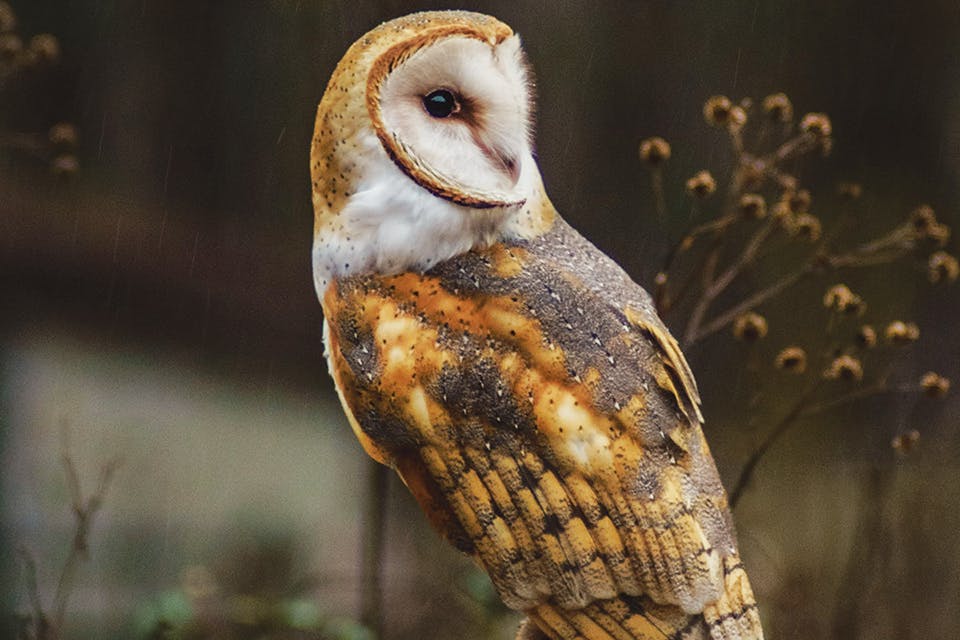
You don’t need high-powered spotting scopes or fancy binoculars to have a good day of bird-watching. Kenn Kaufman offers a few tips for those who are just getting started.

Seek out a variety of habitats, because that’s what the birds do. You’ll find different birds in the woods than you will in the marsh, and still others if you also visit open fields and riverbanks. As you learn more about your subject, this habitat context will be the first thing you consider when trying to identify a species.

Consider color last: Beginning birders get hung up on color, but other identifying elements should be considered first. Pay attention to the shape and size of the bird, the shape of the beak and how it behaves in its habitat. Does it stay near the ground or is it in the tops of trees? Does it hang with a flock or is it solitary?

Field marks include color but also stripes on the chest, wing bars, eye rings and other marks. Here is where a good field guide comes in handy. Remember that birds may look very different in the winter than in the summer — but not always.

Weather matters: In general, heavy winds can keep birds huddled in places where they are hard to find. Rain can do the same, although a day with intermittent showers and sunshine can be productive for birding, Kaufman says. “For this area, in spring, the biggest numbers are going to be on days when there have been a period of rain and north winds and then it clears up and the winds shift to the south.”

Good optics make a difference: While anyone can enjoy a day of bird watching, those who become serious about the hobby eventually purchase some quality binoculars and, perhaps, a spotting scope. Kaufman recommends finding a shop where you can actually try out binoculars and see which feel most comfortable. Learn to adjust the diopter — the knob on one of the eyepieces that allows you to compensate for the differences in vision between your eyes. And practice aiming them in your backyard before going into the field: hold the binoculars away from the eyes and scan the area until you settle on something you want to examine. Then, without taking your eyes off the object, lift the binoculars to your eyes.


Related Categories
- Life


Subscribe
COMMENTS
Be the first to leave a comment.
ADD YOUR COMMENT


Copyright © 2013 Ohio Magazine All rights reserved. | webmaster@ohiomagazine.com
1422 Euclid Avenue Ste. 730 Cleveland OH 44115