





Printer Friendly VersionEmail A FriendAdd ThisIncrease Text SizeDecrease Text Size
September 2006

History Comes Alive

Robbins Crossing gives visitors a colorful introduction to Ohio heritage, and provides Hocking College students the opportunity to present living-history programs.
Judy Sinnott

Robbins Crossing is a learning environment where students in the Historical Interpretation program at Hocking College develop as researchers, enactors and craftspeople to prepare for jobs at historic interpretation sites such as Colonial Williamsburg, Ohio Village or Plymouth Plantation. 

The village is a composite of authentic and reproduction log cabins, and the site is shared with community volunteers who unselfishly support the program.

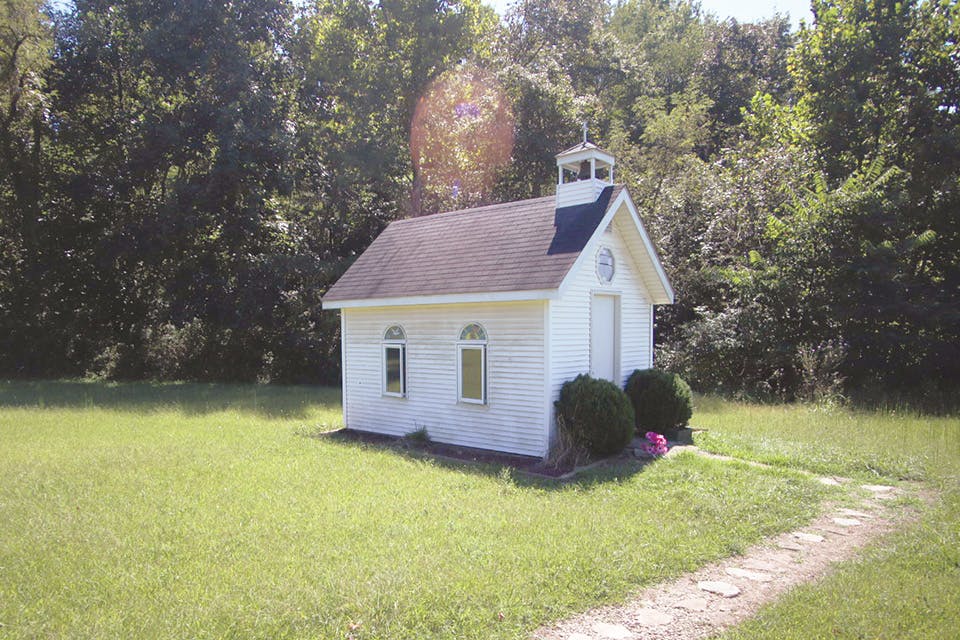
Development of Robbins Crossing began in 1978 when the first log cabin, the Anthony homestead, was relocated from Hocking County. The site is composed of nine buildings, including a pottery shop to accommodate artists and craftspeople associated with Foothills School of American Crafts, which partners with Hocking College to offer a variety of credit classes. Homes and other specialty buildings such as a blacksmith’s shop with a recently completed addition, cooper’s shop, general store and schoolhouse complete the site.
Students and volunteers appearing as residents of the log cabin settlement would not be able to share the history of the Hocking Valley more than a century ago without paying proper attention to the significance of wood and the role the forest products industry played in the area’s development.   

Robbins Crossing opens its doors in late March to visiting schoolchildren from throughout the area and is a regular stop for passengers who ride the Hocking Valley Scenic Railway when the train runs from May through the end of October.

Students in the Natural and Historical Inter-pretation program learn to research their characters in class, and their stories are often told as they perform trades or crafts reminiscent of the 1850s such as basket making, carding and weaving, and dipping candles — skills that originated as pioneers discovered ways to create useful objects necessary to their daily lives.

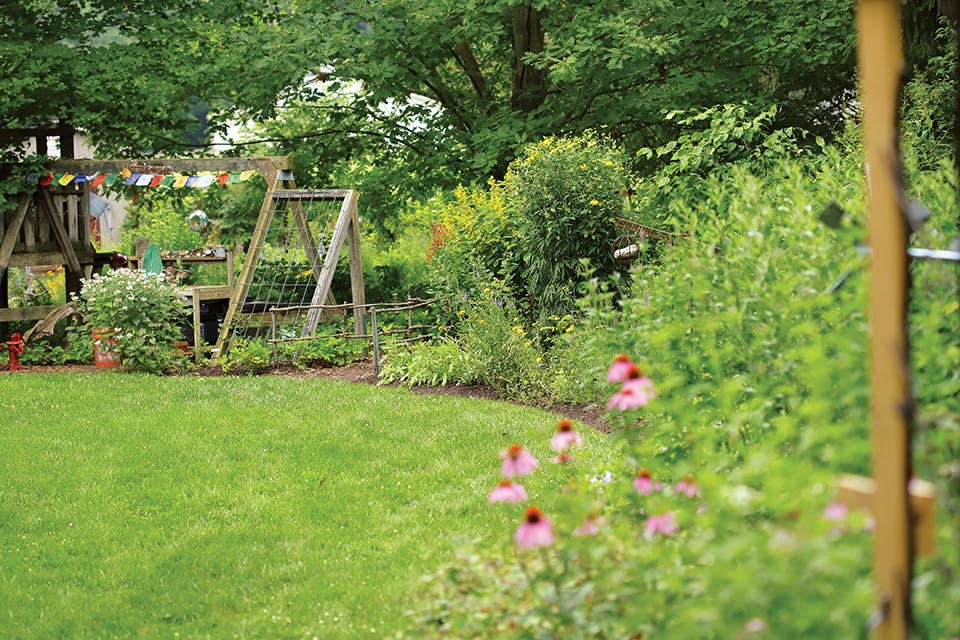
Chores that are part of a normal day at Robbins Crossing include shingle splitting, log hewing or pounding metal at the hot forge. Cooking demonstrations take place in the Van Horn house, where meals generally consist of a combination of the “three sister” vegetables of squash, beans and corn from the on-site gardens.

Robbins Crossing helps young people prepare for a future that includes living in the past.

More on the National Timber & Outdoor Show
Schedule of Events

Fresh-Air Focus

History Comes Alive

A Walk Through Time

 
Related Categories


Subscribe
COMMENTS
Be the first to leave a comment.
ADD YOUR COMMENT


Copyright © 2013 Ohio Magazine All rights reserved. | webmaster@ohiomagazine.com
1422 Euclid Avenue Ste. 730 Cleveland OH 44115