






Printer Friendly VersionEmail A FriendAdd ThisIncrease Text SizeDecrease Text Size
January 2009 Issue

Home Remedies

HGTV and DIY Network host Jeff Wilson helps you make winter weekends well spent with these simple projects.
Home Remedies
The temperature may have dropped months ago, but it isn’t until January that true hibernation sets in for most of us. All the more reason to get going on those home improvement projects, says Jeff Wilson, Athens resident and host of “Build-a-Deck” on the DIY Network, and “Restore America” on HGTV. “I know we usually talk about ‘spring cleaning,’” says Wilson. “But personally, I don’t like to spend a beautiful day inside, so why not get it all done when the weather is rough?” Not to mention, brightening up a room with a mini makeover can have a similar effect on your spirits, which tend to need a boost this time of year.

Here Wilson, who has worked in the home construction industry for more than 20 years and hosted countless shows on getting the job done right, lends his expert advice on some simple projects that do-it-yourselfers of all levels can take on. For more home improvement ideas, visit www.jeffwilsonhowtohome.com.


Ready to Grow

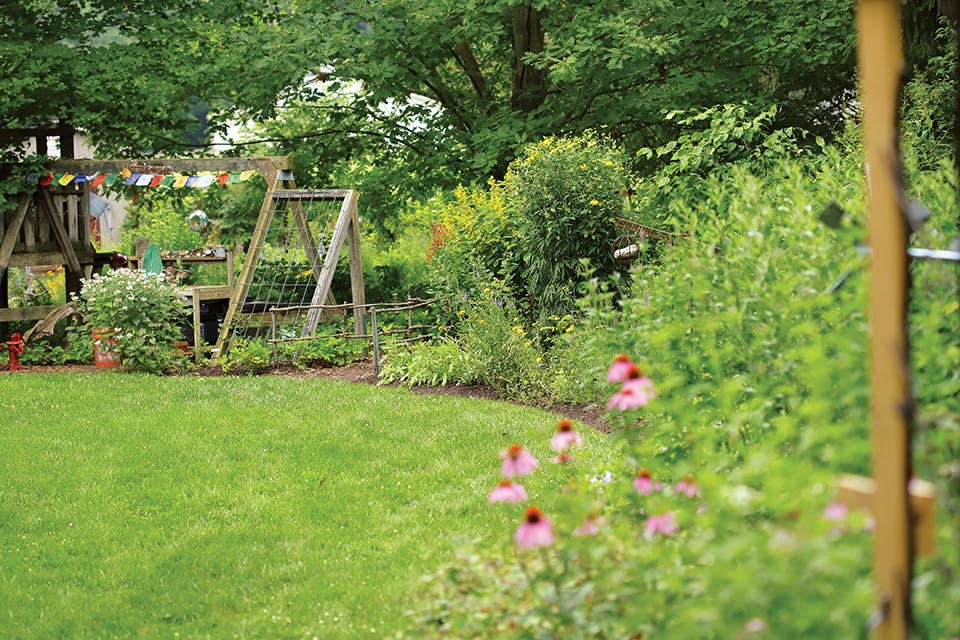
“When I’ve had enough of winter, I like to start planning the garden,” says Wilson, who keeps his family supplied with lettuces, berries and other fresh foods with the gardens and edible landscaping he grows in his yard. “Just looking through the seed catalogs can be liberating,” he says.

While January is still a bit early to start most seeds (the general guide is 6 to 8 weeks before you’ll transplant them outside), preparing your seed-starting area can be done anytime. “You don’t need anything fancy — it’s easy to save cardboard egg cartons and toilet paper rolls to create free, biodegradable starter pots,” he says.

Just fill the cups in the bottom half of a cardboard egg carton with seed-starter mix, place in a plastic tray while seeds are germinating, and then cut the individual cups apart and plant them directly into the soil when spring hits. Wilson says this avoids disturbing the delicate seedling roots, which will grow right through the damp cardboard and into the surrounding soil when planted.

Wilson says you can also use toilet-paper rolls for this task. “Just cut four slits halfway up one end of the cardboard roll, fold the four tabs up to create a bottom for your seed starter cup, fill with soil and plant the seeds,” he says. Again, you can plant the cardboard cup right into the ground.

Another tip: Don’t forget about light for starting seeds — they’ll need at least 6 hours of light each day. Using a grow light (easy to pick up at home and garden centers) and suspending it 3–6 inches from the top of the seedlings will do the trick.

To be an even “greener” gardener, Wilson suggests choosing organic, open-pollinated seeds from companies like Seeds of Change (www.seedsofchange.com) or Victory Seeds (www.victoryseeds.com). “The extra initial cost will come back to you, since open-pollinated seeds (as opposed to hybrid seeds most commonly available) will allow you to save seeds from this year’s crop to plant next year,” he says. These companies will also stock rare, heirloom varieties.


Do-it-yourself Flooring

If you want to add flair to an older wood floor, says Wilson, try the stencil and seal method he used to give his own kitchen a new look. If your floor is already finished, it will need to be sanded. (Wilson adds that you can rent sanders and edgers at any tool rental place, and suggests that novices take advantage of a mini tutorial from a store employee.) “This is messy,” he says, so “drape and tape” doorways with plastic sheeting and wide painter’s tape to keep dust out of the rest of your home.

Once the sanding and clean-up is complete, lay out your design (Wilson opted for a checkerboard pattern), starting in the middle of the room, making light pencil marks on the floor across the area you want to cover. Using water-based stains, carefully fill in your design.

“Water-based stains have very little odor, so they’re safer to use inside, which is ideal in the winter,” he says.

After the stain has dried, Wilson says you’ll need to apply four to five coats of water-based polyurethane made especially for floors, sanding lightly with 220 grit sandpaper between coats.

“Again, if you’re using a water-based polyurethane, the odor is low, so there are no issues with fumes,” he says.

Believe it or not, installing new flooring can be a simple do-it-yourself project, says Wilson. “Kitchens, half-baths, entryways, living rooms, and even garages can benefit from this weekend project,” he says. According to Wilson, many types of flooring — linoleum, vinyl, recycled flooring, carpet and even cork — come in “peel-and-stick” or “click-lock” versions, and if your old floor is already level and sound, you can usually install these types of flooring right over the old floor.

First, measure the square footage of the room, then add 10 percent to determine the total amount of tile you’ll need. Next, using a pry bar, pull up the quarter-round shoe molding along the baseboard around the perimeter of the room. Starting at the middle of the floor, place the first four tiles with edges parallel to the walls, and work your way out in ever-widening squares until you reach the walls.

“Once you reach the walls, you’ll need to cut the flooring tiles to fit in the remaining spaces — a pair of nippers or shears will work for this,” he says.

Finally, reinstall the shoe molding to cover up any gaps. “You don’t have to stick to simple square patterns,” says Wilson. Self-stick vinyl comes in one-foot square pieces, so you can buy several colors, cut the tiles evenly into quarters (either diagonally or straight) using a straight edge and razor knife, and mix and match the smaller tiles into a mosaic pattern, he says.

Green Tip: Wilson says a growing number of carpet and vinyl flooring companies offer products with up to 100 percent recycled content, so look for peel-and-stick flooring with this option. “Linoleum is also a good, eco-friendly choice, since its main ingredient is clay,” he says. Cork comes in “click-lock” versions, which are eco-friendly and require no adhesive, simply “floating” above the sub-floor.


Storage Solutions

“Winter is the perfect time to tackle organization issues in closets, basements, laundry rooms and garages,” says Wilson, adding that he has learned the art of maximizing space in the 1,000-square-foot home he shares with his wife and two children.

Start by deciding how to best use the space you have. “Several manufacturers offer online design to customize your storage solution,” he says. “Closetmaid has an on-line visual planner at www.closetmaid.com and www.easyclosets.com also has a nifty design tool.” Or, try www.closetorganizersusa.com.

Once you’ve decided what needs to be stored in a given area, take a trip to a local home center and look at all of the options, he suggests. “Shelves, drawers, cubbies, coat racks, hooks and baskets are all available to you, and can be installed in many different ways,” he says. Most of these modular systems can be installed using only a cordless drill, tape measure and level.

 
Related Categories


Subscribe
COMMENTS
Be the first to leave a comment.
ADD YOUR COMMENT


Copyright © 2013 Ohio Magazine All rights reserved. | webmaster@ohiomagazine.com
1422 Euclid Avenue Ste. 730 Cleveland OH 44115